
The Most Common Problems Found During Fort Wayne Home Inspections (2025 Data)
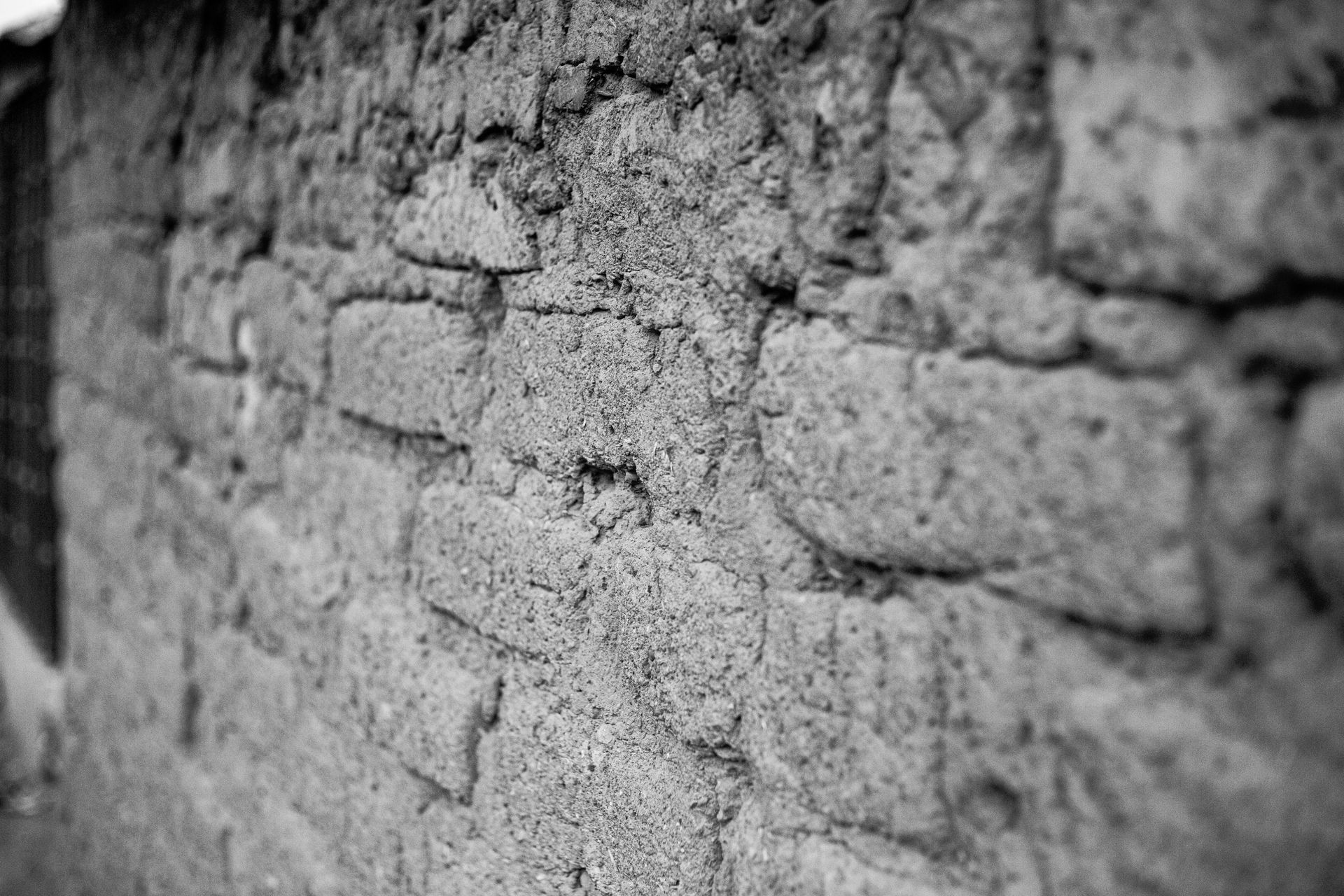
Is an Inspection Worth It? – Part 5: Building Structure When you walk into a home, what holds it up? What keeps it square, level, and protected from the elements? These questions all fall under the category of building structure — a vital part of any home inspection. Unlike opening walls or cutting into floors, a non-invasive structural inspection uses visual evaluation, measurements, and experience to assess the foundation, columns, beams, joists, roof framing, and overall structural condition. Small issues caught early can save huge repair costs down the road. Let’s walk through what a structural home inspection in Fort Wayne, Indiana offers, and the key structural components I check and explain why they matter. 1. Foundation Walls The foundation is the heart of the home — literally the part that keeps everything standing. What I Look For: Cracks (vertical, horizontal, stair-step) Bowing or leaning walls Uneven foundation surfaces Signs of water intrusion or efflorescence Missing or deteriorated stem wall components Why It Matters: Cracks and movement patterns tell a story. Some narrow cracks are cosmetic, but horizontal cracks or significant displacement can indicate serious structural stress. Water near the foundation can also lead to settling, mold, and deterioration over time. Even when I can’t excavate soil or open walls, exterior and accessible interior observations give valuable clues about the foundation’s performance. 2. Columns & Piers In homes with crawl spaces or pier-and-beam foundations, columns and piers transfer the weight of the structure down to the soil. What I Look For: Proper spacing of piers/columns Signs of rot, cracking, or deterioration Settling or shifting (piers not level) Improper or missing footings Rusted steel columns or poorly installed supports Why It Matters: If piers settle unevenly, the floor above can slope or crack. Uneven support can cause squeaks, nail pops, and drywall cracks — but more importantly, it can compromise structural integrity if left unchecked. 3. Crawl Space & Beam Structure Crawl spaces can be dark, dusty, and sometimes overlooked — but they reveal a lot about the structural health of a home. What I Look For: Sagging or undersized floor joists Water intrusion or damp soil Improper or missing ventilation Wood rot or insect damage Supports not bearing correctly Why It Matters: The sub-floor and beam system transfer loads from above down through the foundation. When joists sag, twist, or are compromised by moisture, it can lead to uneven floors, cracks, and long-term damage that becomes expensive to fix. 4. Roof Structure & Framing The roof system does more than keep rain out — it’s part of the home’s structural skeleton. What I Look For: Roof sagging or uneven ridges Improperly spaced or undersized rafters/trusses Improper cuts/notching in framing members Signs of water damage in the attic Ventilation and insulation issues affecting lumber health Why It Matters: Interior ceilings can tell you a lot, but the attic tells the truth. Sagging or misaligned framing can indicate structural failures, moisture problems, or past repairs that weren’t done correctly. 5. Load-Bearing Walls & Structural Alignment Walls don’t just divide rooms — some carry significant loads from roof and upper stories down to the foundation. What I Look For: Cracks or deflection in walls near openings Signs of bowing or leaning Walls out of plumb Evidence of altered framing without proper support Why It Matters: Removing or modifying structural components without proper support can lead to uneven settlement, cracked drywall, and dangerous conditions. Identifying these issues is critical before you buy or sell. Why a Structural Inspection Is Worth It: Even in a non-invasive inspection, a trained eye can find clues to structural performance: Visible cracks that indicate movement patterns Sagging or misaligned components Moisture intrusion that weakens lumber Improper repairs or unsupported modifications Signs of uneven loading or fatigue These clues help you understand: Whether a home is sitting solidly on its foundation If loads are being properly transferred through the structure Potential structural risks before closing Whether further evaluation (by a structural engineer) is needed Final Thoughts Every home stands because of its structure — the hidden framework that seldom gets discussed at an open house. A structural home inspection in Fort Wayne, Indiana teaches you how well that framework is performing, reveals risk patterns that may not be obvious, and gives you confidence in your decision. A professional home inspection does more than check boxes — it tells the story of how a home stands, moves, and ages. Call today to book your inspection! Michael Foust Brick by Brick Home Inspection brickbybrickfw.com 260.969.8660 Office 707.527.2277 Cell brickbybrickfw.com
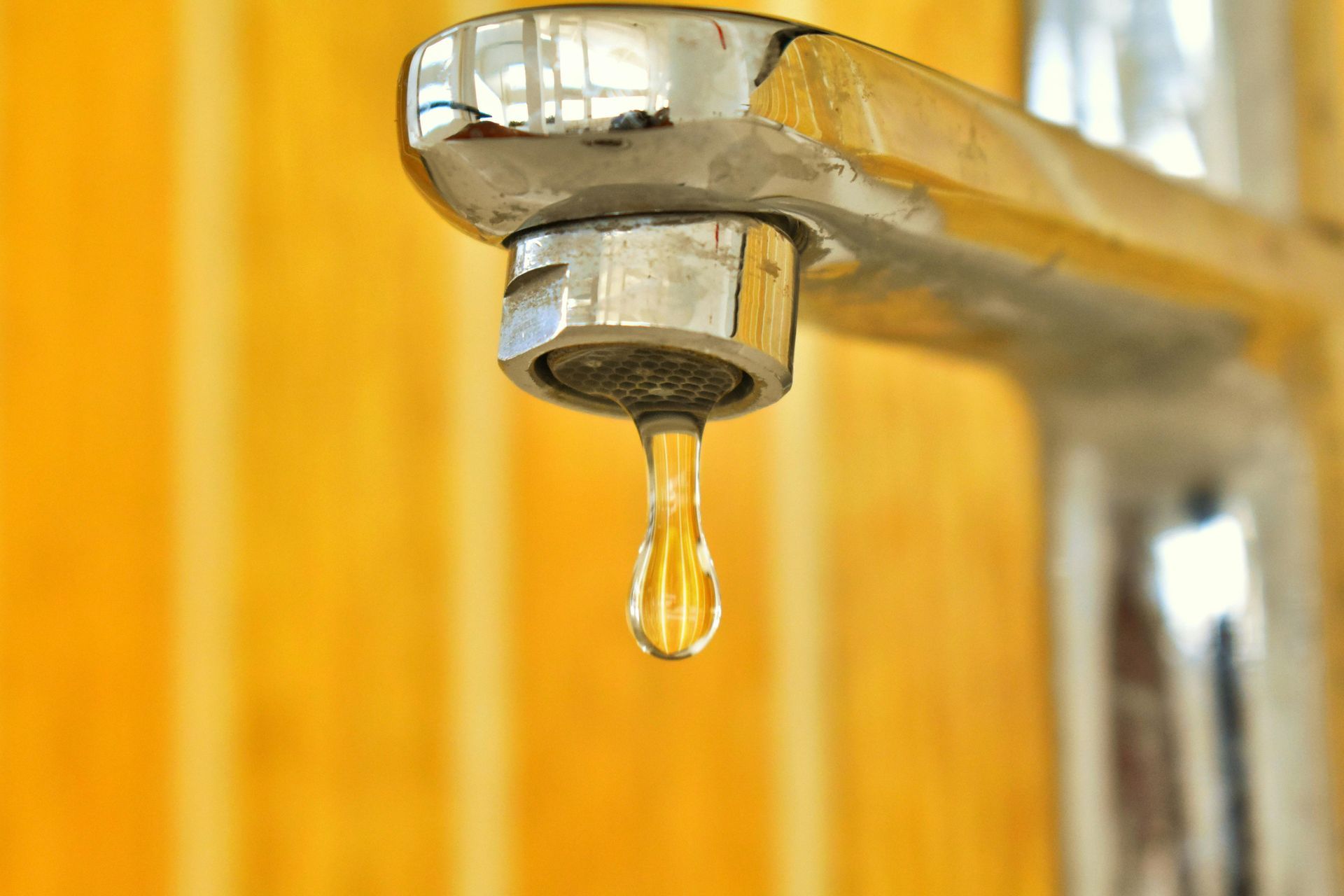
When people think “plumbing problems,” they usually think of leaks. But during a home inspection in Fort Wayne, Indiana , the most important plumbing issues I find are often the ones you can’t see. Because home inspections are non-invasive, I can’t open walls or dig up pipes — but there’s still a tremendous amount I can uncover through visual evaluation, functional testing, and experience. In this part of our series, let’s look at the plumbing issues I commonly encounter and why a non-invasive plumbing inspection is still incredibly valuable for both buyers and sellers. 1. Active Leaks & Moisture Damage While I can’t open walls, I can often detect active plumbing leaks at: Under-sink areas Supply lines Drain traps Water heaters Toilet seals Around tubs/showers Gas meter Gas appliance connections Even small leaks can cause mold, rot, and long-term structural issues. Why it matters: Minor drips today often become costly repairs tomorrow — especially if water has been leaking unnoticed in hidden areas. 2. Slow or Improper Drainage By running sinks, tubs, and other fixtures, I can identify: Slow drains Gurgling or air in the system Inconsistent flow Fixtures that backup These symptoms often indicate clogged lines, venting issues, or improperly installed drains. Why it matters: Drainage problems rarely fix themselves — they typically get worse. 3. Water Pressure Problems Using basic operating techniques, I check for: Weak pressure Surges Uneven hot/cold balance Water hammering noises Low pressure can point to pipe restrictions or deteriorating supply lines. High pressure can damage appliances and fixtures. Why it matters: Consistent water pressure is essential for safe and effective plumbing performance. 4. Aging or Problematic Piping Materials Without opening walls, I can still identify visible piping types in basements, crawlspaces, and utility areas. Common issues include: Galvanized steel (rust-prone, near end-of-life) Polybutylene (known failure risk) Corroded copper Old cast-iron drains with exterior rust or scaling Why it matters: Knowing pipe type helps buyers plan for future repairs or updates. 5. Water Heater Defects Water heaters are one of the most high-risk, commonly neglected systems in a home. Issues I routinely find include: Units past service life Rusting or corrosion Improper relief valve discharge lines Missing expansion tanks (where required) Inconsistent heating Noisy operation Why it matters: A failing water heater can leak, burst, or leave you with a very cold shower. 6. Inadequate Fixture Installation Even in newer homes, it’s common to find: Loose faucets Improperly sealed tubs or showers Drains not connected tightly Leaking supply valves Defective garbage disposals These may seem small but can cause damage if left unaddressed. Why it matters: “Small” plumbing defects can quickly turn into moisture damage and mold growth. 7. Toilet Issues Toilets are one of the most frequently overlooked fixtures. I often find: Loose toilets Failing wax rings Constant running Improper flushing Leaks at the base Why it matters: A leaking toilet flange can cause hidden subfloor rot — one of the most expensive repairs in a bathroom. 8. Venting & Trap Issues While I can’t see inside the walls, I can identify symptoms of improper venting, such as: Gurgling noises Slow drainage Odors Siphoned traps Leaks from the drain, waste, vent (DWV) system These often trace back to incorrect venting or DIY modifications. Why it matters: Poor venting affects every fixture downstream. Why a Non-Invasive Plumbing Inspection Is Worth It Even without opening walls or cutting into pipes, a home inspection can reveal significant plumbing concerns. Many of the most serious plumbing issues show early warning signs during normal operation — you just need someone trained to recognize them. A non-invasive plumbing inspection helps: Catch leaks before they cause hidden damage Identify outdated or high-risk piping materials Reveal drainage and venting problems Prevent water heater failures Provide buyers and sellers with realistic expectations At Brick by Brick Home Inspection in Fort Wayne, Indiana , I test every accessible fixture and thoroughly evaluate visible plumbing components to give you a clear, comprehensive understanding of the system’s condition — all without invasive methods. Final Thoughts Plumbing problems rarely stay small for long. Whether it’s a slow drain, aging pipes, or a minor leak, identifying these issues early can save thousands in repairs down the line. A professional, non-invasive plumbing inspection remains one of the smartest investments you can make. Call today to book your inspection! Michael Foust Brick by Brick Home Inspection brickbybrickfw@gmail.com 260.969.8660 Office 707.527.2277 Cell brickbybrickfw.com